
Recently the richest man in the world was on the comedy show Saturday Night Live. Before he appeared there was a lot of talk about it being a questionable choice because he has said and done some controversial things in the past few years. In his opening monologue he tried to address these issues by stating that since he is reinventing electric cars and sending people to Mars, we really shouldn’t expect him to be normal. Fair enough. We shouldn’t expect the richest man in the world to be “normal”, but maybe we shouldn’t expect anyone to be?
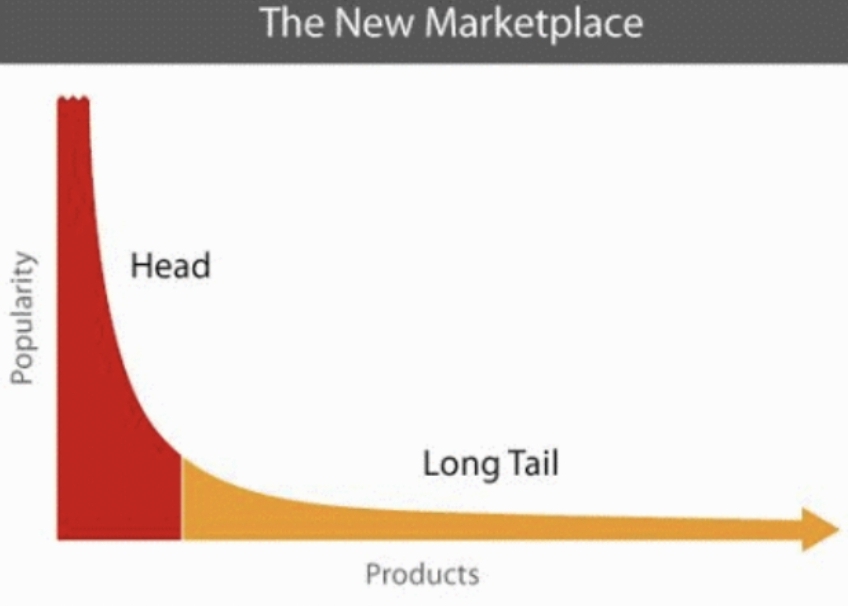
For most of the history of human civilization, there has been a standardized way of living. This came from the necessity to survive and to pool resources to improve life. But in 2021, it is less the case than it ever has been before. With the onset of the Internet age we started talking about the long tail, how our lives have become personalized and bespoke because of our ability to find less mainstream consumer products on the Internet. If we want music from a Japanese funk-hiphop band from the naughts, we can find it. If we want to learn how to cook Peruvian food, we can get the ingredients delivered to our doorstep. As our choices have become greater, our exposure to what is considered “standard” or “normal” has decreased. The political situation in most countries is a testament to this new reality.
Up until last year there was a “normal” way of working, which required people to report to a physical location during specific hours of business. There were certainly a few outliers, but it was a small percentage of the population. The pandemic changed all that and looks as if it will allow people to personalize their lives even more by allowing them to choose when and/or where they work. And the changes we are seeing now are only beginning, the year-long shift in the way we live has left a mark on human civilization and it has made us rethink everything.
So in the end, normal doesn’t really exist anymore. Normal is incredibly relative. Our ability to say “this is the way we do things because it is how we have always done things” is gone. Also the ability of a leader to shape policy based on their own vision of normalcy is dwindling away. Now we need data because we are able to get data. Why would we base urban design on a vision that will certainly have unconscious bias when we can get data with a much lower level of bias? (I say lower level because we still have to learn how to collect data in a way that eliminates bias and that is not always easy.)
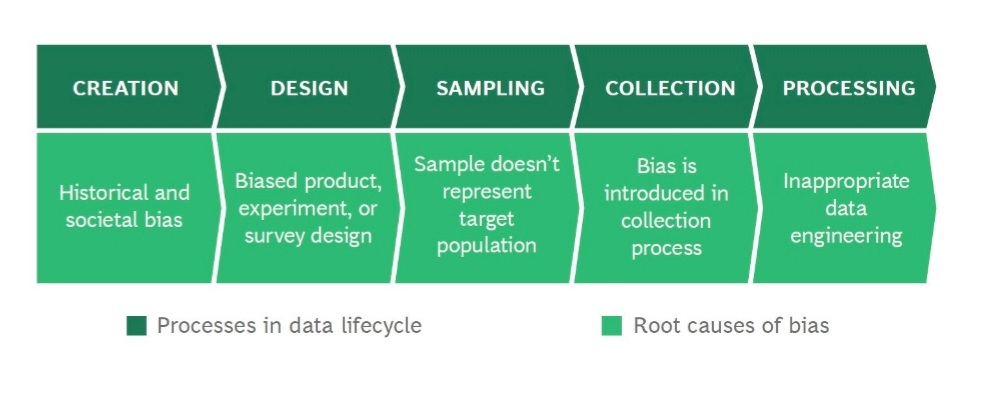
I guess the point I am making is that before we start making exceptions for eccentric billionaires, maybe we need to rethink the standards so that no exceptions need to be made. No I don’t expect Elon Musk to be “normal”, but I don’t expect the city worker who picks up other people’s litter for 8 hours every day to be either. Or the person whose job it is to call people for hours to ask for money as a debt collector, a salesperson or a fundraiser. Or the person who spends their day trying to get pre-teens to understand Beowulf. We need to hear all voices and we need to build cities that accommodate a much larger diversity of abilities and preferences than they do now. We can do this by taking the bias out of the process and basing decisions on real data that reflects the way people live and interact with their environment.
 smartcityperspectives.com