
I have lived in some pretty “unsmart” cities. Cars were the only transportation I knew for most of my life before University and my mother was only person I knew who recycled on a regular basis. And that did not apply to most of the materials that we have since learned to put in the recycling bin (or just try to avoid buying). When I spent my first summer in Europe I learned to associate freedom with the smell to public transport exhaust and adventure with the smell of airport antiseptic spray.
I’m still learning how to live in a greener, more sustainable and I think this education will continue for the rest of my days on this earth. Luckily, my heavy carbon footprint is getting a little bit lighter because of techniques I have learned living several years in Barcelona, Spain and my work with South Korea.
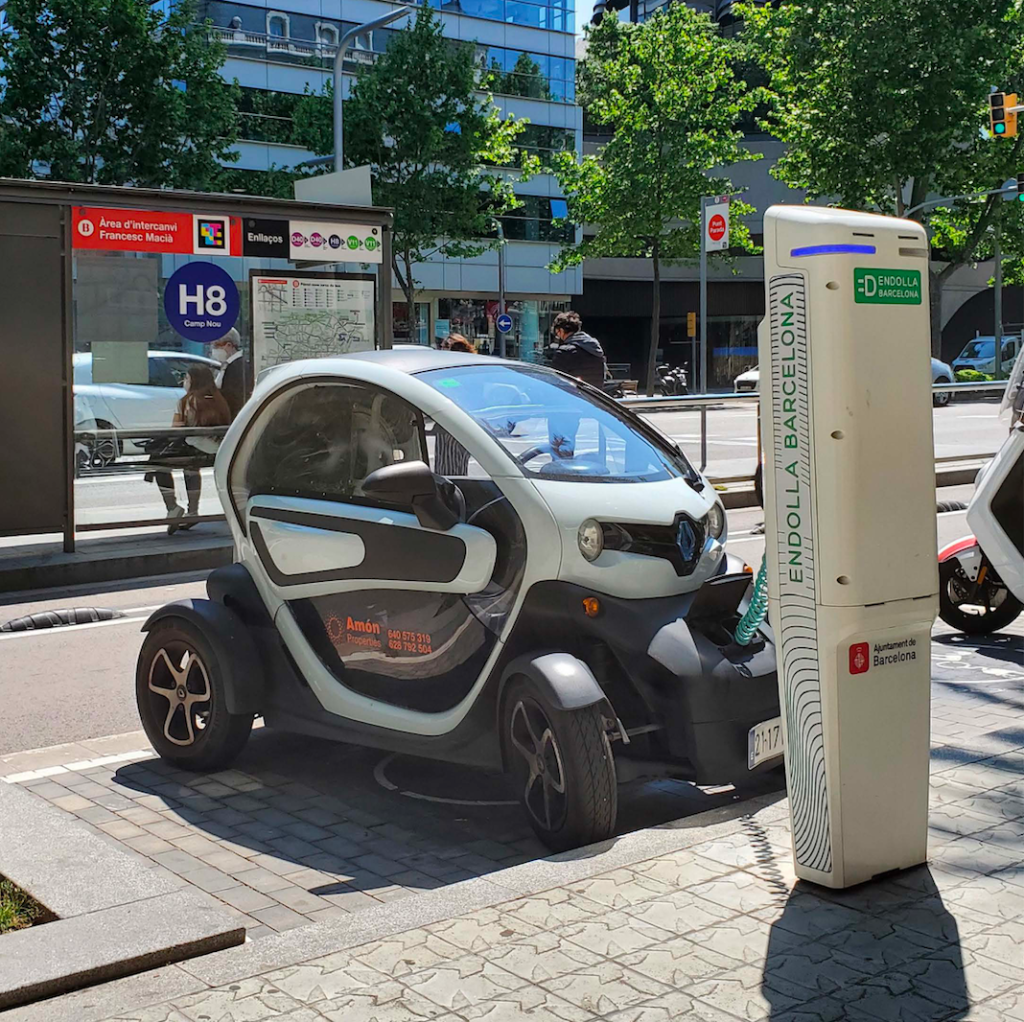
Barcelona is a capitol of green, sustainable living. There is still a lot of work to be done, certainly, but the city is transforming rapidly into a region offering citizens the ability to cut their carbon footprint significantly. Besides the ability to move efficiently in (increasingly electric) public transportation, Barcelona offers residents the possibility to limit the use of single-use plastic and general packaging through the expansive network of modern wet markets. Much of Barcelona’s green infrastructure is based on a high-density city structure and traditional cultural practices, so it is not easily replicated.
Much easier to replicate are the pilot cities launched in South Korea as greenfield investments with the participation of public and private entities. The Busan Eco Delta Pilot Smart City (Busan EDC) and Sejong Pilot City are both examples of South Korean smart city planning. Busan EDC is currently building a Smart Village which would allow residents to live in a fully self-sufficient area completely powered by renewable energy. Beyond this focus on carbon neutrality, Busan EDC will incorporate the use of robotics and artificial intelligence in daily life. This is important work that will lay a groundwork of usage data for the development of carbon neutral cities globally.
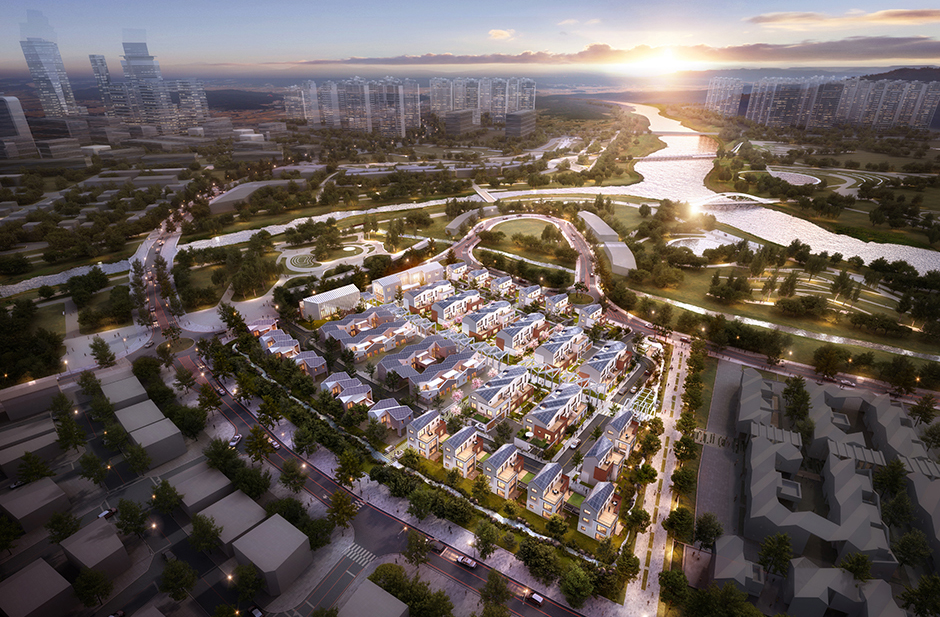
The government of the Republic of Korea is focused on making sure they set up Korean cities for success in using technology to improve the lives of residents but they have hinted that they would be interested in using their experience to help cities globally figure out how to reduce their carbon footprint and improve economic equity for their citizens. This new model for Korean-style Smart Cities, or K-cities, will help the world develop a new model for zero-carbon living that can then be adapted to regional cultures to bring about sustainable and permanent change for the continuation of the human species.
 smartcityperspectives.com