
I love taking the bus. I think I’ve mentioned that before. When my bus pulls up I board the way some people get in a limo. And if the bus is new and there is a seat for me, my happiness quotient in transit is optimal. I don’t deny that maybe I love the freedom of just catching a ride and not having to carry any responsibility for maintaining the vehicle beyond paying my taxes and I don’t deny that I actually like riding with other people because it helps me understand what life is like outside of my bubble.
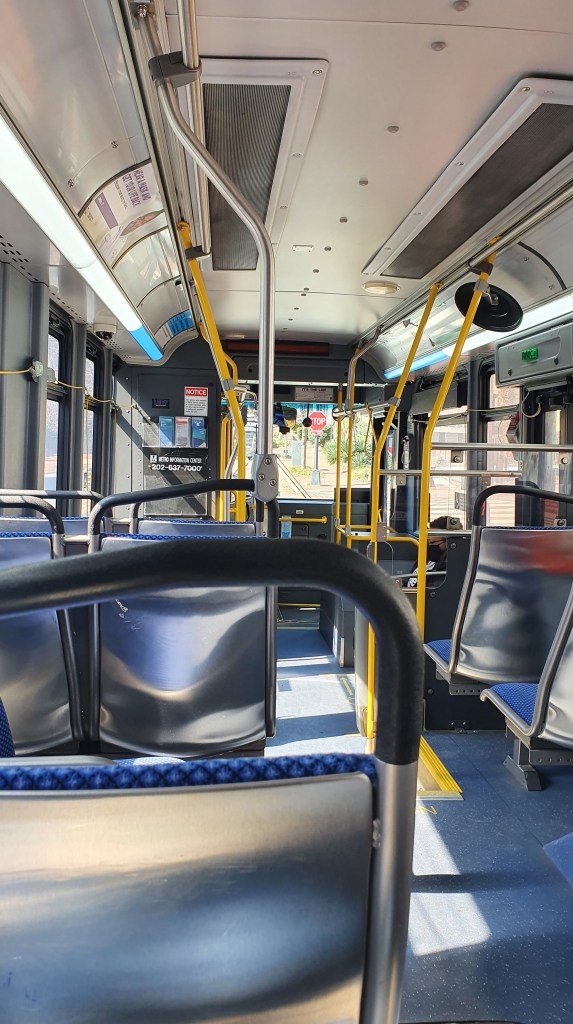
Because of my attachment to public transport I feel very torn about the fact that I am, for the first time in my adult life, buying a car. I wish it were not necessary but it has become increasingly difficult to get around in Washington DC without a car. This has made me think a lot about mobility in the United States. I live in the capital of one of the most developed countries in the world and one of the most dense urban areas in the country. If using public transportation is difficult here then it will be difficult in most of the United States.
So maybe it is time to fully get behind electric vehicles. I have always been in favor of electric vehicles, especially electric buses, but creating a realistic plan for sustainable and accessible mobility in the US requires a robust plan for personal electric vehicles. Public transport infrastructure in most of the United States is nonexistent and getting people to give up their private vehicle will require an extreme change in lifestyle in the United States. After seeing changes being pushed by Gen Z so far, I’m optimistic that this can be done in the medium term but that is not fast enough to meet the sustainability goals for 2030. And much of the United States is just not dense enough for standard models of public transportation.
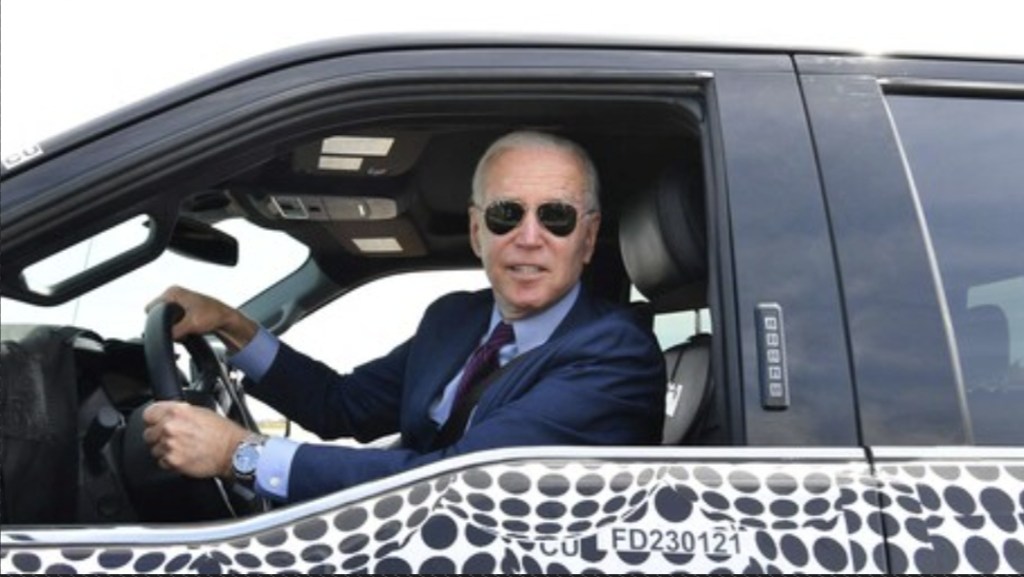
While we work on convincing people of the advantages (and dare I say joys) of public transportation and adding more options to the urban and sub-urban transport networks, we also need to gain momentum on electric vehicle conversion. This means improving battery life and charge times while expanding the network of charging stations so people have less range anxiety. It also means developing solid solutions for refitting older electric vehicles with more efficient batteries. More than half of car sales in the US are second hand vehicles so we need electric solutions for second hand cars.
As a person who thought they would never again own a car, I’m still learning about what needs to be done to foment the change to sustainable private transportation and I will continue to explore this in the coming weeks. I will also continue to hope that the DC public transit system will improve enough this fall that I will be able to sell or donate my car and get back to riding public transport with only the occasional need for the use of a car through a car sharing app.
 smartcityperspectives.com