
I have been an urbanite my whole life, even when I lived in the country. I think I have mentioned before how much I appreciate wide sidewalks and robust public transport systems. So when I go back to the country like I did last week, it really makes me think about sustainable transport and smart city policy.
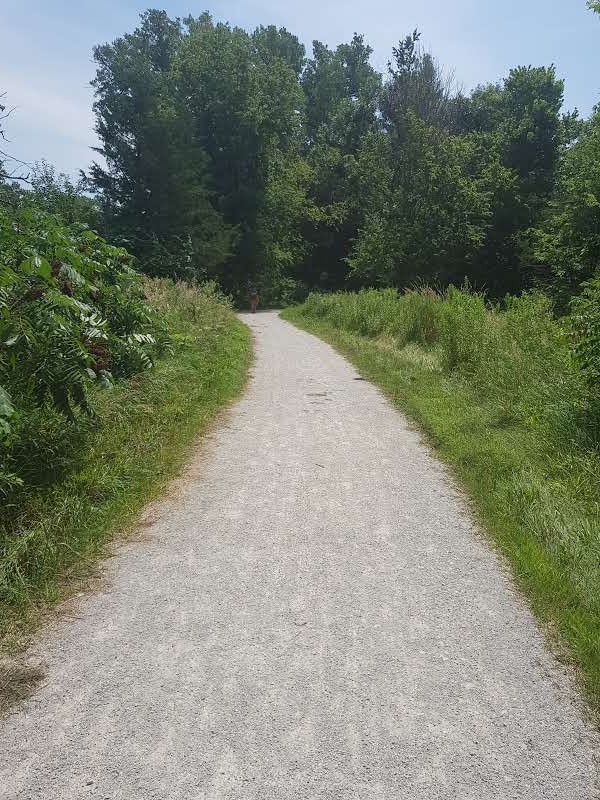
Nebraska is a pretty rural state. My family lives in a small farm town but I was born in the state’s capital, Lincoln, and I went to University there. It is a wonderful place to study and the city consistently ranks at the top of quality of life/ happiness indices for the United States. It is also a typical North American city in that it is completely dominated by private vehicle transport and the city’s progressive local government has not only taken notice but has been working to do something about it. After years of developing the network of bike paths in the city, Lincoln is now a city where most people who live and work within the city limits can commute by bicycle if they choose to. The city sits in the middle of the prairie so it is flat and many of the bike trails have been planned and developed to offer cyclists tree cover for shade. I was surprised how extensive and how developed this network of bike trails is.
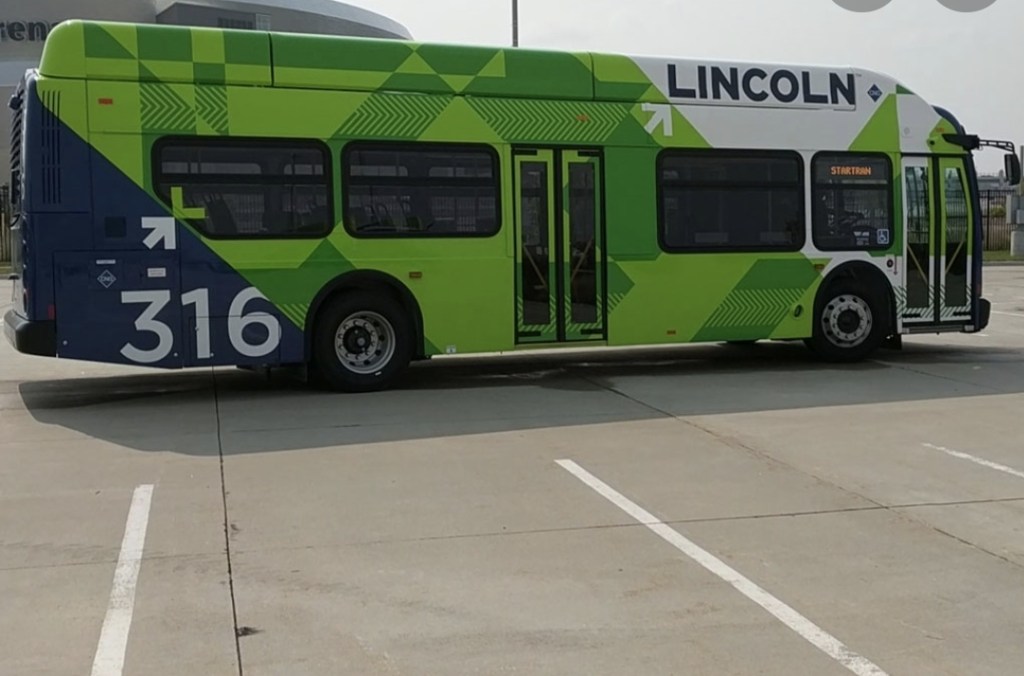
Public transportation is another story. The bus network isn’t bad but it is extremely underutilized. I heard from local officials that the city is getting some electric buses and has done a study for a downtown transport hub that would not only connect city buses but perhaps also an express bus running between Omaha and Lincoln (a 60-mile stretch of I-80 with relatively high levels of high-speed traffic). These developments would do wonders to give people in the Lincoln area transportation options that are both convenient and sustainable but one has to wonder, will people use them?
Cities the world over are looking at what type of transport reform will entice people to leave their cars at home and Lincoln is a good example of that. Their goal is green transport and are making plans to build the infrastructure for it but with a less than 0.5% public transportation penetration rate, one has to wonder if they build a robust and sustainable transport system, will people use it? This isn’t a Nebraska question, it is an issue for the whole of humanity. We know that transport is the single biggest polluter in most cities and that has to change, but in many cities without a reliable public transport system, it is also a huge waste of resources such as space and time.
In the end, I left Nebraska encouraged that the societal shift can happen after talking to the over-70 crowd. They have fond memories of using city buses in the 1980s. They remember the freedom of the city bus with the ability to read or play games with their children on their rides. They remember how in-shape they were from the increased amount of physical activity they got from using public transport. They also remember how inexpensive it was to have a bus pass instead of car payments, insurance and parking payments. Most of all, they remember the bus drivers who were friendly and kind and the encounters and small talk with other riders. So, maybe there is hope that the voice from the cornfields applies to public transportation too – if you build it, they will come.
 smartcityperspectives.com