
After living most of my adult life in high density cities like New York, Barcelona and Madrid, I moved to DC about 18 months ago. Before landing in the US capital, I brazenly and arrogantly advocated for a carless society, where we all shop and dine locally and use buses and metros to get to places outside of our immediate neighborhood. I thought that the key to being car-free was will power and an openness to sharing space with strangers and walking longer distances.
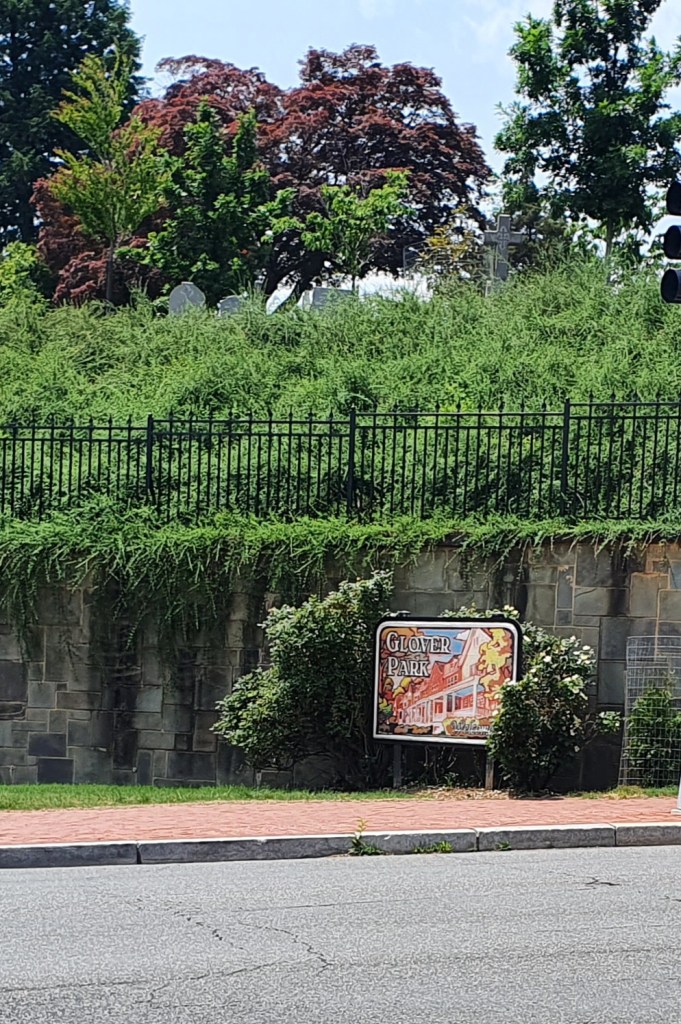
Since moving to Glover Park, a beautiful but less-connected area of central Washington DC, I have had some additional thoughts on urban mobility and the need for car ownership in the United States:
1. You can forego the responsibility of car ownership, but probably not the cost. Besides the fact that I actually enjoy seeing and interacting with strangers on public transport, I have always shied away from the responsibility of car ownership. I had a car for a few months during the summer of 2021 and I lived in fear of the unexpected car-related cost from repairs or tickets, a phenomenon that is all too common in modern cities like Washington DC. Not owning a car means that it is very unlikely I will have to pony up hundreds of dollars all of the sudden because I came to a rolling stop at a local intersection. This helps me sleep at night and keeps my retirement savings on track. Having said that, I do notice that a city like DC requires private transportation sometimes and the cost of these services isn’t cheap. For a family of three, we have the need to leave the NW area of the city around 6 to 8 times a month and the fees related to this movement are similar to the cost of owning a car.
2. DC needs a better mobility plan with robust vehicle-sharing options. I’m a big fan of shared transport. If I could, I would take the bus to every place I cannot walk to. Unfortunately, that is not an option in Washington DC so I have to find other ways of getting around. Luckily there are a lot of mobility services in the city like Zipcar, Free2move and Uber/Lyft/Taxi on-demand services. The hard part is that because the city is so car-centric, it seems that the city officials have not developed a comprehensive mobility plan to encourage the use of public transportation and shared services. Zipcar is expanding in the city and has been a vital service for getting to locations outside the borders of District of Columbia, but the cost per month can easily rise to the level of car ownership. And it shouldn’t. Car-sharing means multiple people sharing one vehicle, one parking space, one set of admin fees and its pay-per-use model discourages gratuitous use. Many people will still think that car ownership is necessary for them but better integration of shared mobility options would allow people who are keen to live car-free a more sustainable model for doing so while decreasing emissions and traffic for those who still need their car. Everybody wins if car-sharing is cheaper and integrated into the city transport plan.
3. A better mobility plan would enhance life in DC neighborhoods. Glover Park is a beautiful area of the city but restaurants seem to have trouble here and there are not many shopping options. I really miss Social Beast, a restaurant with a large patio and occasional live music that closed in the fall of 2021, because it was a great space in the neighborhood to socialize and to organize community events such as the school parents and teachers happy hour we organized last year. My feeling is that because so many people have cars in the neighborhood, they find it easier to go to other areas of greater DC for dining and shopping. This also creates an environment that is less lively and, as a result, gives a feeling of being less secure because there are so few “eyes on the street” in the evening. I am thankful that we have a great coffee/crepe shop with outdoor seating, a very fancy Michelin-starred restaurant and a cool bar with weeknight specials (like ping pong night) but I am also hopeful that there will be some new and revived options that give us a more lively atmosphere. Better mobility from other parts of the city will make these businesses more sustainable and will give us not only more options in our immediate neighborhoods, but also a more lively and safe atmosphere on the street.
As an urban mobility enthusiast, I will continue to avoid car ownership and I hope that the city of Washington DC will improve its mobility plan. It is strange to me that mobility is such an issue in the nation’s capital, because shouldn’t it serve as a model of how effective and efficient US transportation systems can be? I honestly believe that shared mobility options are absolutely key to moving the city to the next level of sustainability as well as improving the quality of life for everyone and I hope that companies like Zipcar and free2move as well as the DC government understand the role that mobility plays in our lives, not only in allowing us to access opportunities but also in community building.
 smartcityperspectives.com